Previous Post
- February 1, 2024
Mastering Reverse Logistics: Boost Your Ecommerce Success
Discover how mastering reverse logistics transforms returns from a cost center into a strategic advantage that drives customer loyalty and operational efficiency.
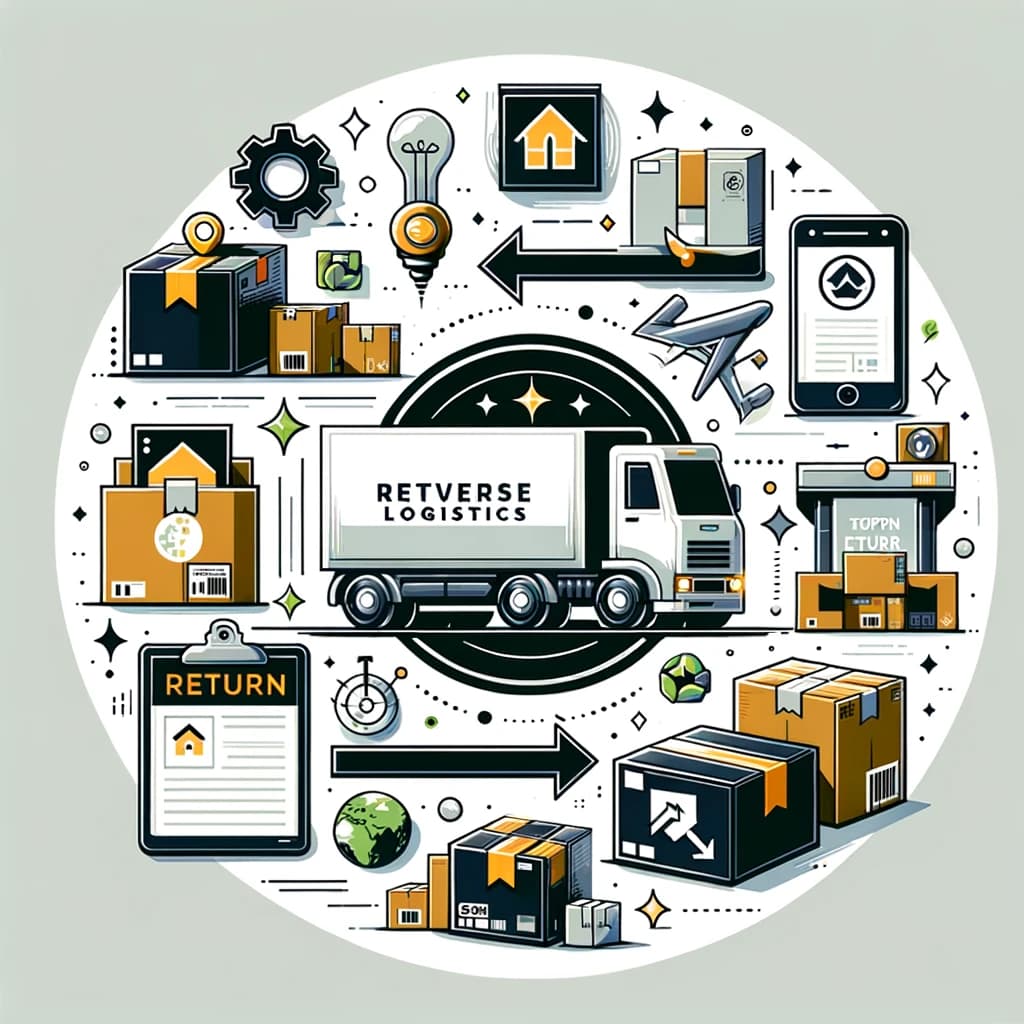
Reverse logistics is the process of moving goods from their final destination back to the seller or manufacturer for returns, repair, remanufacture, recycling, or disposal. As customer expectations around returns have evolved, managing this operation effectively has become increasingly important—often a key factor in purchase decisions.
What is Reverse Logistics?
Traditional logistics focuses on moving products from manufacturers to customers. Reverse logistics manages the opposite flow:
- Returns processing: Handling returned products
- Refurbishment: Restoring items to saleable condition
- Repair: Fixing defective products
- Recycling: Processing materials for reuse
- Disposal: Properly discarding unsalvageable items
- Remanufacturing: Rebuilding products to new condition
While often viewed as a necessary expense, strategic reverse logistics management can actually create value for your business.
Enhancing Customer Satisfaction
A frictionless returns experience now represents a fundamental expectation rather than a premium feature.
Returns as a Purchase Factor
Research from the National Retail Federation shows that consumers frequently review return policies before purchasing. Returns policies influence buying decisions as much as:
- Product price
- Shipping speed
- Product reviews
- Brand reputation
The Psychology of Returns
Customers feel more confident making purchases when they know:
- Returns are easy and hassle-free
- The process is clearly explained
- There are no hidden costs
- They won't be penalized for trying products
Building Loyalty Through Returns
Streamlining returns builds customer loyalty and encourages repeat transactions. A positive return experience:
- Increases likelihood of future purchases
- Generates positive word-of-mouth
- Builds trust in your brand
- Differentiates you from competitors
- Turns a negative situation into a positive impression
Reducing Costs Through Efficiency
Returns needn't function solely as expenses. Strategic reverse logistics management can decrease restocking, refurbishment, and disposal expenses.
Cost Factors in Reverse Logistics
Returns create costs in multiple areas:
- Shipping: Inbound freight costs
- Processing: Labor to receive and inspect
- Refurbishment: Restoring to saleable condition
- Inventory: Holding costs for returned items
- Disposal: Costs of unsalvageable items
- Customer refunds: Returned revenue
Optimization Opportunities
Efficient reverse logistics reduces these costs through:
- Automated processing: Faster, more accurate handling
- Quality control: Proper assessment of condition
- Strategic disposition: Optimal decisions for each item
- Data analysis: Understanding return reasons to prevent future returns
- Vendor recovery: Recouping costs from defective supplier items
The Role of 3PLs
Collaborating with third-party logistics (3PL) providers enables businesses to access specialized knowledge and infrastructure. 3PLs offer:
- Established return processes
- Technology systems for tracking
- Experienced staff
- Refurbishment capabilities
- Multiple disposition channels
- Scale advantages
Gaining a Sustainability Competitive Edge
Efficient reverse logistics supports circular economy principles through product repair, refurbishment, or recycling.
Environmental Benefits
Responsible reverse logistics:
- Reduces landfill waste: By refurbishing or recycling
- Conserves resources: Through reuse of materials
- Lowers carbon footprint: By extending product life
- Minimizes new production: Refurbished items replace new manufacturing
Consumer Expectations
This demonstrates environmental responsibility to conscious consumers who increasingly:
- Prefer brands with sustainable practices
- Make purchasing decisions based on environmental values
- Pay premiums for responsible companies
- Share sustainability achievements on social media
Sustainability Programs
Progressive reverse logistics enables programs like:
- Trade-in programs: Customer credit for old items
- Refurbishment sales: Certified pre-owned products
- Recycling initiatives: Proper material disposal
- Donation programs: Giving items second life
Leveraging Technology
Advanced logistics management systems enable real-time return tracking, inventory management, and predictive analytics.
Essential Technology Components
Returns Management Systems (RMS):
- Automate return authorization
- Track returns throughout process
- Integrate with inventory systems
- Provide customer self-service portals
Fulfillment Center Management Integration:
- Seamless receiving of returns
- Automated disposition decisions
- Quality control tracking
- Inventory status updates
Data Analytics:
- Return reason analysis
- Product quality trends
- Cost per return calculations
- Customer return patterns
Customer-Facing Tools:
- Easy return initiation
- Printable return labels
- Real-time status tracking
- Automated communications
Benefits of Automation
Automation reduces manual processing errors and operational expenditures through:
- Faster processing times
- Consistent handling procedures
- Reduced labor costs
- Improved accuracy
- Better data capture
- Scalability for volume fluctuations
Best Practices for Reverse Logistics Excellence
1. Create a Clear Returns Policy
Make policies easily accessible and transparent regarding timelines and conditions.
Policy essentials:
- Return window: Clearly state timeframe (30, 60, 90 days)
- Condition requirements: Acceptable return conditions
- Refund method: How customers receive credit
- Shipping cost: Who pays return shipping
- Exclusions: Items that can't be returned
- Process steps: How customers initiate returns
Communication:
- Display prominently on website
- Include in order confirmations
- Repeat in packaging
- Use simple, clear language
2. Offer a Hassle-Free Process
Provide prepaid labels and multiple return channels.
Convenience factors:
- Prepaid shipping labels: Include or email immediately
- Multiple return methods: Mail, drop-off, in-store (if applicable)
- No-box returns: Partner with return services like Happy Returns
- Extended windows: Generous timeframes reduce pressure
- No questions asked: Within reason, don't interrogate
Streamlined initiation:
- Online return portal
- Self-service process
- Immediate confirmation
- Clear instructions
3. Implement Rigorous Quality Control
Implement rigorous refurbishment procedures for rapid reintegration.
Inspection process:
- Receive and check in returns
- Assess condition systematically
- Test functionality
- Clean and repair as needed
- Re-photograph if condition differs from original
- Update inventory status
Disposition decisions:
- Resell as new: Items in perfect condition
- Sell as refurbished: Restored items at discount
- Liquidate: Sell to wholesalers at reduced price
- Donate: Give to charitable organizations
- Recycle: Extract usable materials
- Dispose: Last resort for unsalvageable items
4. Analyze Data to Reduce Returns
Examine return patterns to identify root causes and improve products.
Key metrics to track:
- Return rate by product
- Return reasons by category
- Time to return after purchase
- Cost per return
- Refurbishment success rate
- Customer repeat return patterns
Insights to gain:
- Product issues: Which items have quality problems
- Sizing problems: Need better size guides
- Description mismatches: Improve product information
- Damage in transit: Packaging improvements needed
- Customer expectations: Communication gaps
5. Leverage Customer Feedback
Use returns as insight-gathering opportunities.
Feedback collection:
- Return reason selection (required)
- Optional detailed comments
- Post-return surveys
- Product review prompts
Application of insights:
- Product design improvements
- Photography and description enhancements
- Size guide refinements
- Packaging optimization
- Quality control adjustments
Measuring Reverse Logistics Performance
Track these KPIs to assess and improve your reverse logistics:
- Return rate: Percentage of orders returned
- Processing time: Days from receipt to disposition
- Recovery rate: Percentage of returned value recovered
- Customer satisfaction: Feedback on return experience
- Cost per return: Total costs divided by returns
- Resale rate: Percentage returned to inventory
Conclusion
The article positions reverse logistics as a strategic advantage rather than a necessary burden, encouraging ecommerce businesses to prioritize it alongside customer satisfaction and sustainability goals to remain competitive.
By creating clear policies, offering hassle-free processes, implementing quality control, analyzing data, leveraging customer feedback, partnering with experienced 3PLs, and using technology effectively, you transform returns from a cost center into an opportunity for customer loyalty, operational efficiency, and environmental responsibility.
In a market where returns are inevitable, the businesses that master reverse logistics create competitive advantages that drive long-term success.
Need help optimizing your returns process? Contact Supership to learn how our reverse logistics expertise and technology can streamline your returns operations and improve customer satisfaction.